Miami is often seen as a city of wealth, luxury, and vibrant nightlife. However, beneath the glitz and glamour lies a harsh reality—thousands of individuals struggle with homelessness, particularly in areas like Brickell and Miami Beach. Despite rising rents and economic hardship, the efforts of local organizations have helped decrease homelessness in recent years. However, the fight is far from over. These organizations continue to need volunteers and community support to ensure that progress is sustained and that every person in Miami has a chance at a better life.
The Reality of Homelessness in Miami
In January 2025, the Miami-Dade County Homeless Trust conducted its annual Point-in-Time (PIT) Census, revealing a 17% year-over-year reduction in unsheltered homelessness. The count documented 858 unsheltered individuals, 175 fewer than the previous year, marking the lowest figure in over a decade. Despite the overall decline, specific regions like Miami Beach continue to face challenges. In January 2024, the unsheltered count was 631 individuals in Miami and 154 in Miami Beach. While these numbers indicate a decrease compared to previous years—thanks in part to intervention programs—the streets of Brickell and Miami Beach remain filled with individuals struggling to find shelter, food, and basic necessities.
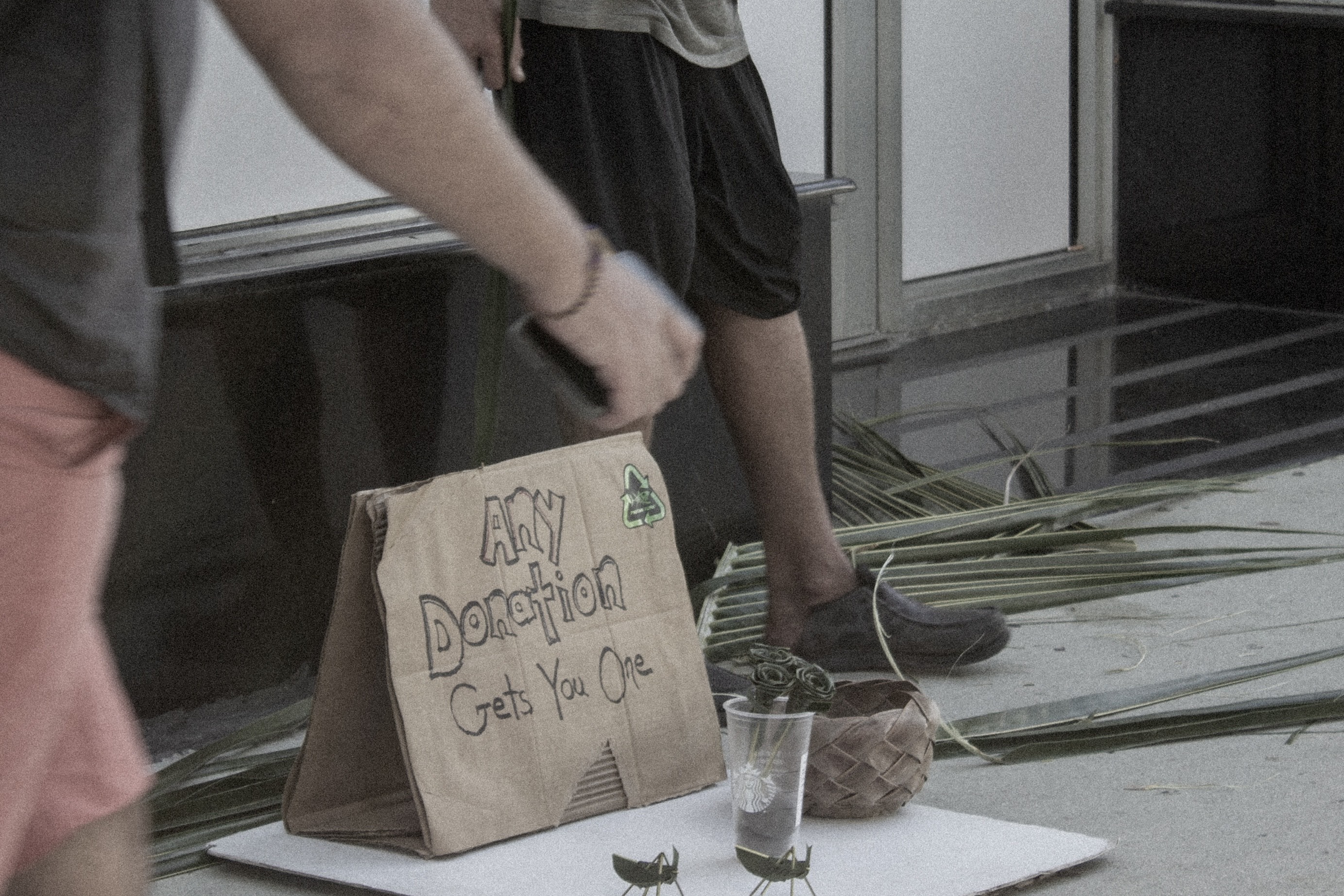
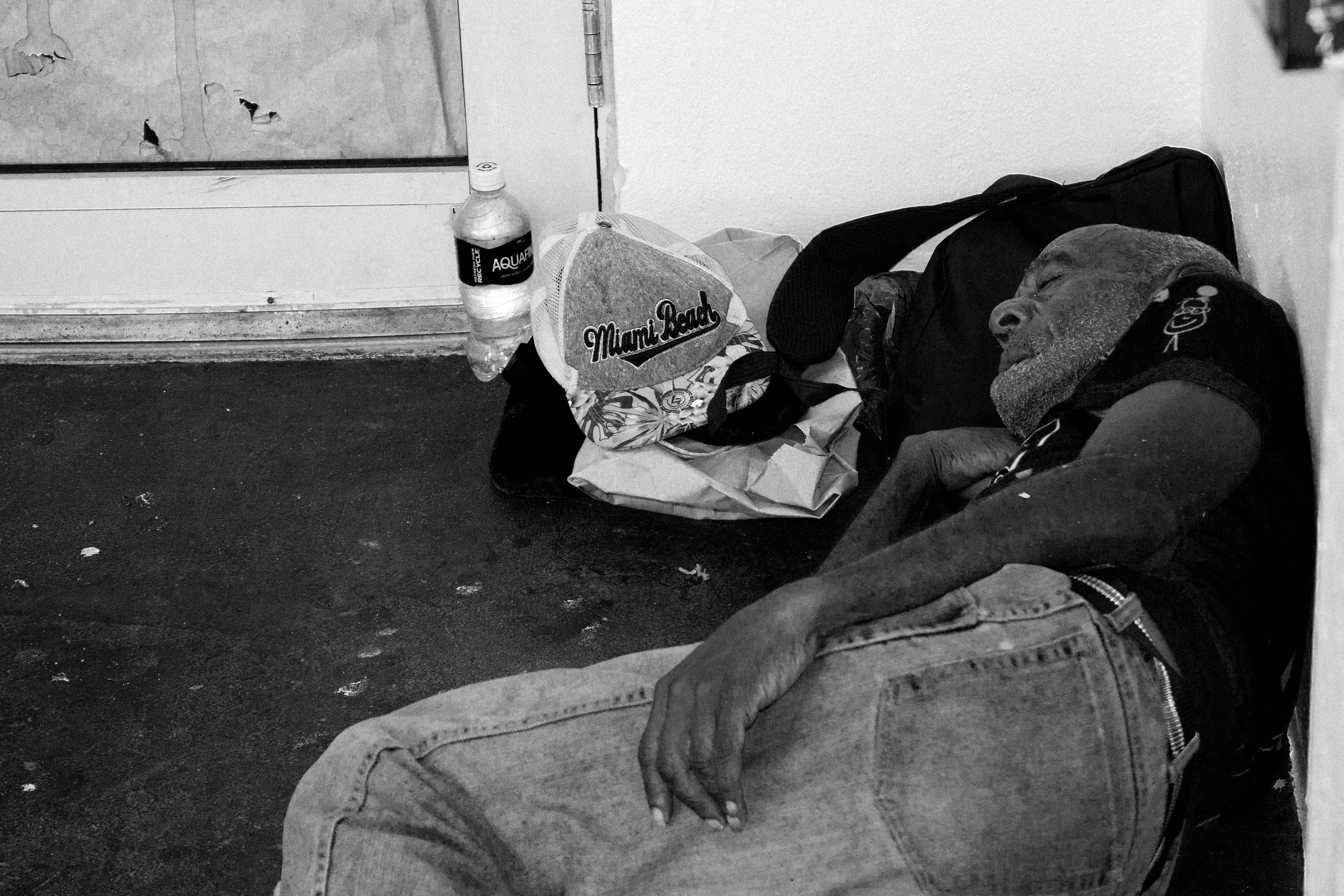
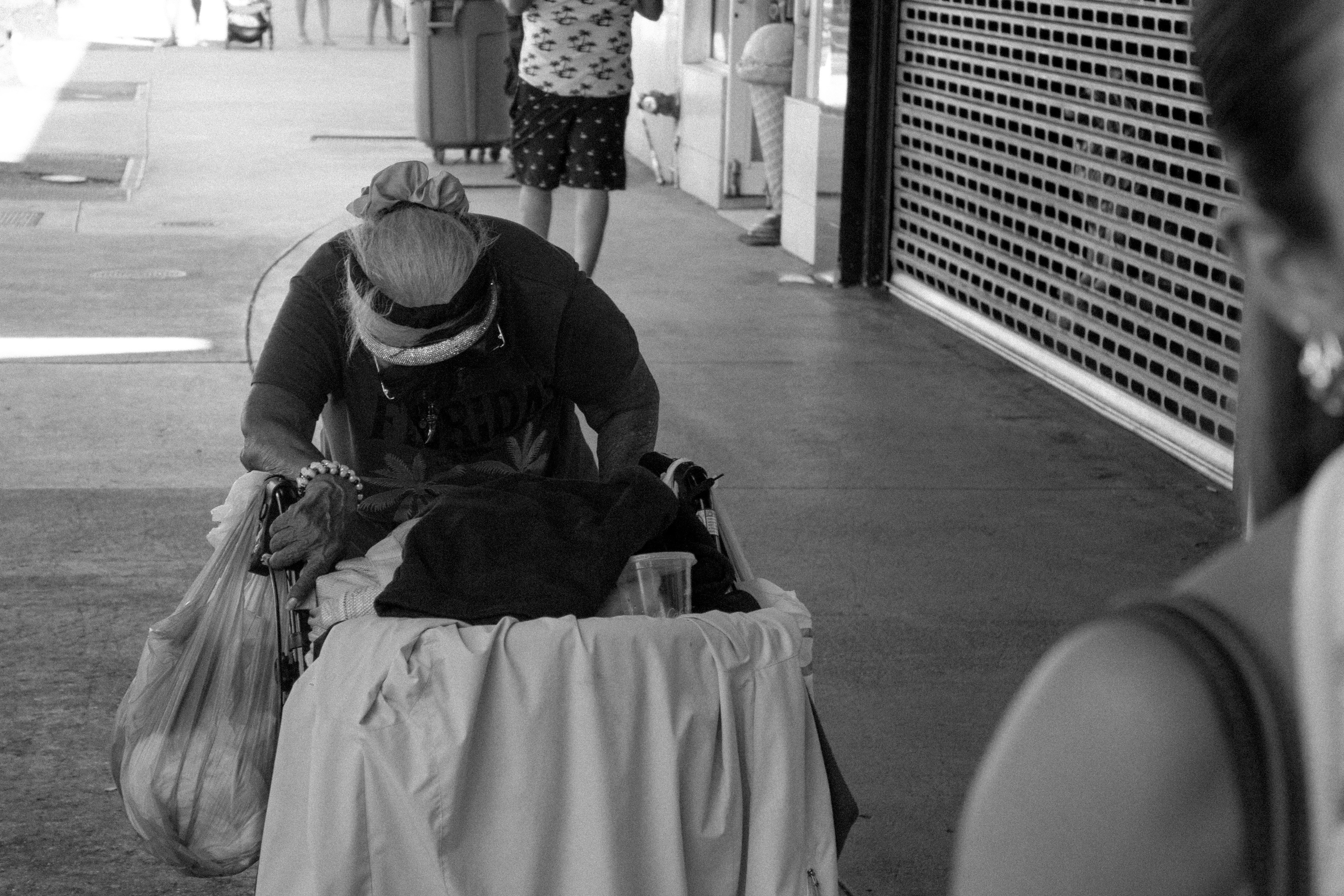
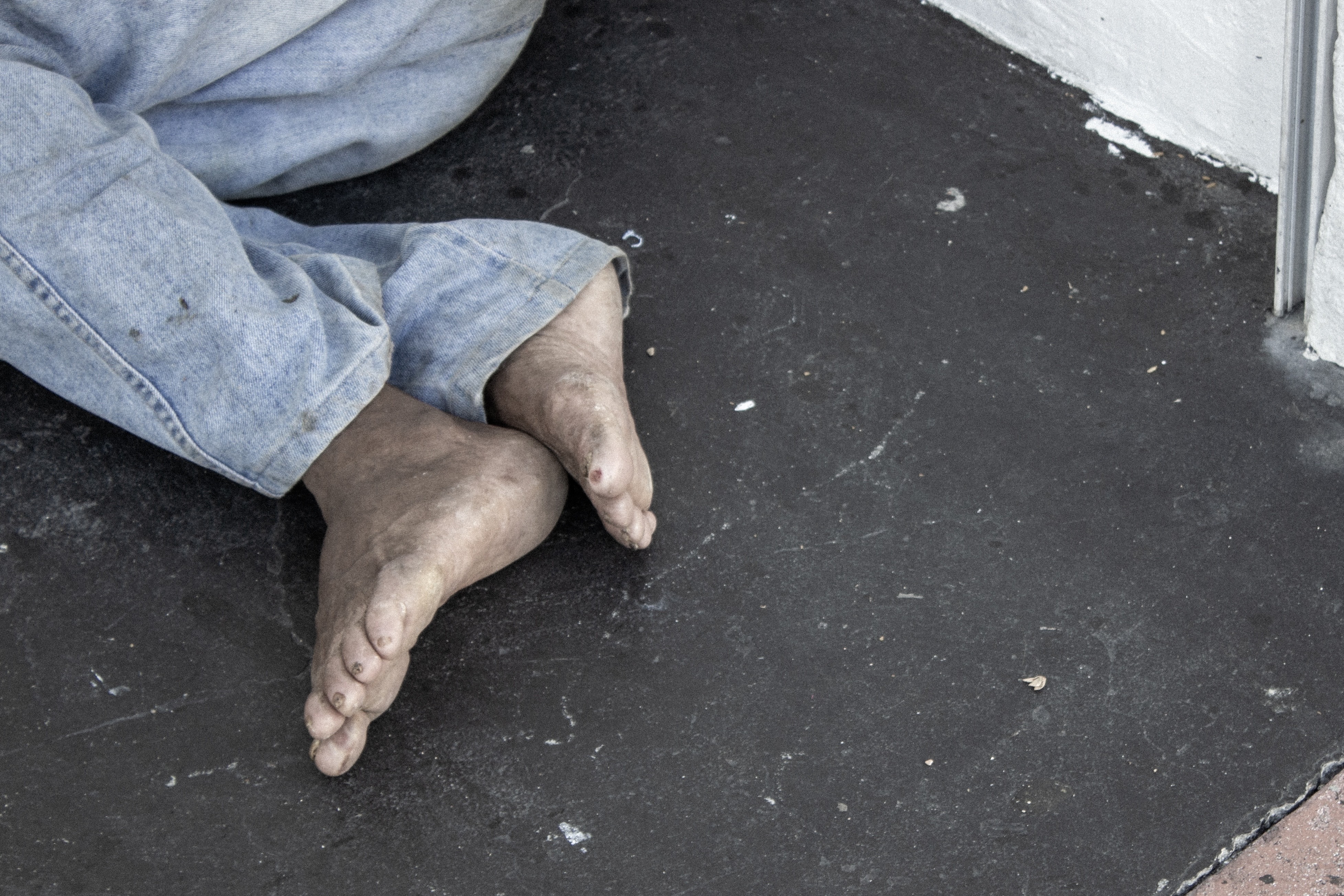
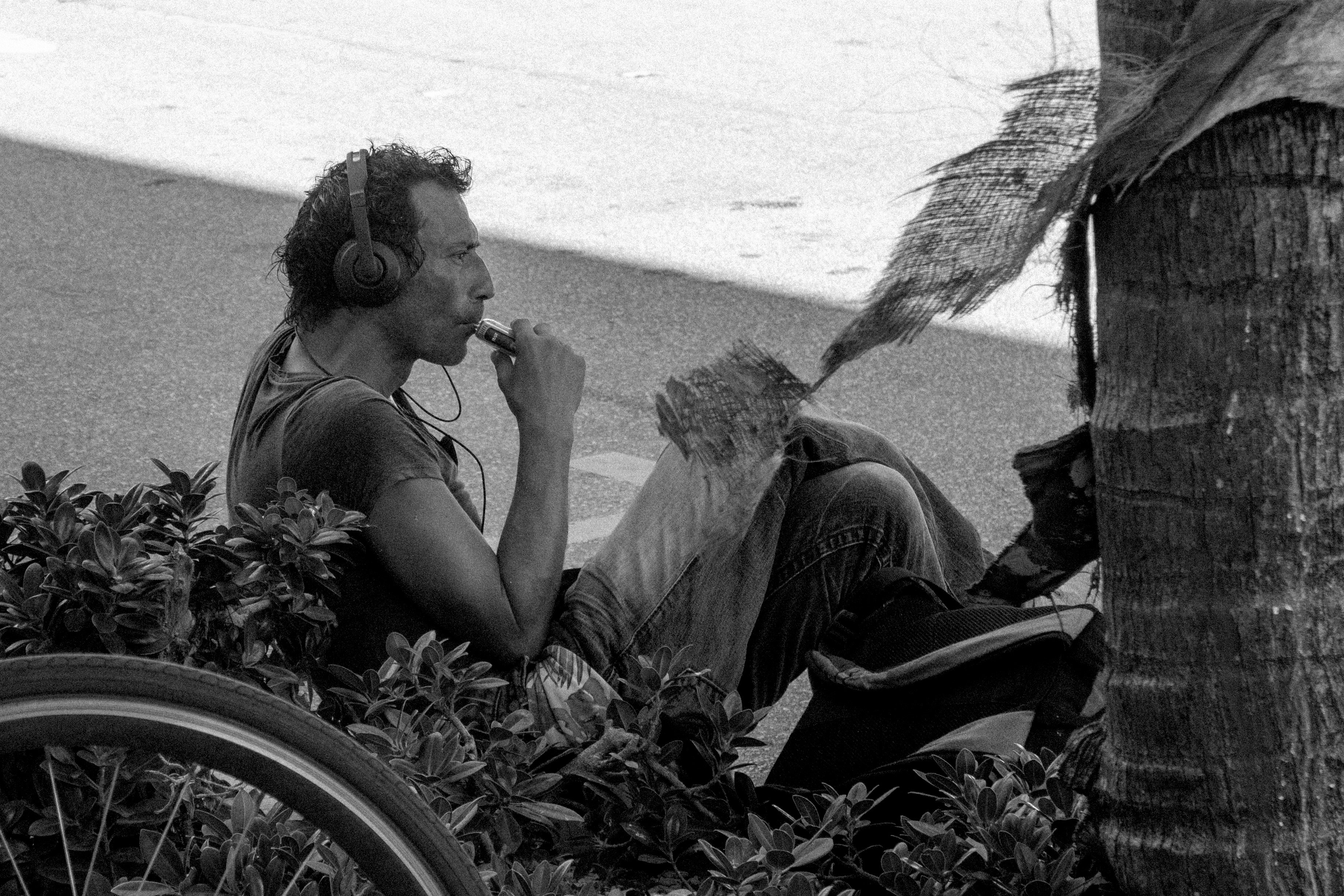


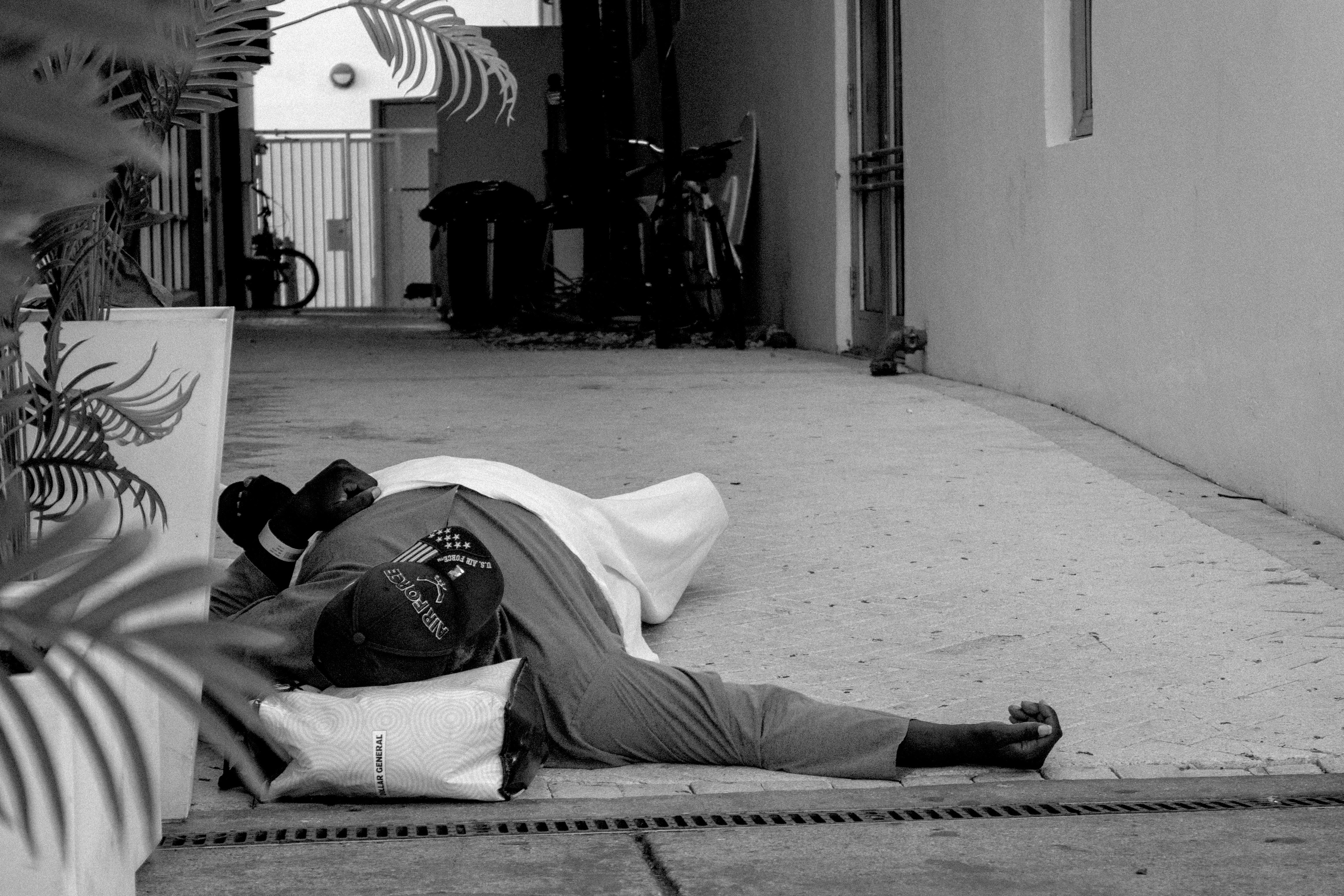




There are several factors that contribute to the persistence of homelessness in Miami:
- Economic Disparities:The rising cost of living, especially housing, has made it increasingly difficult for low-income individuals and families to afford stable accommodations.
- Employment Challenges:While Miami boasts a robust tourism industry, many jobs in this sector are seasonal and low-paying, lacking the stability needed for long-term financial security.
- Mental Health and Substance Abuse:A significant portion of the homeless population struggles with mental health issues and substance abuse, necessitating comprehensive support services.
While city-wide programs have made an impact, it is the local nonprofit organizations that provide the most direct aid to those in need. Addressing homelessness requires a multifaceted approach, combining immediate assistance with long-term solutions. Several organizations in Miami are at the forefront of this mission, offering various opportunities for community involvement:
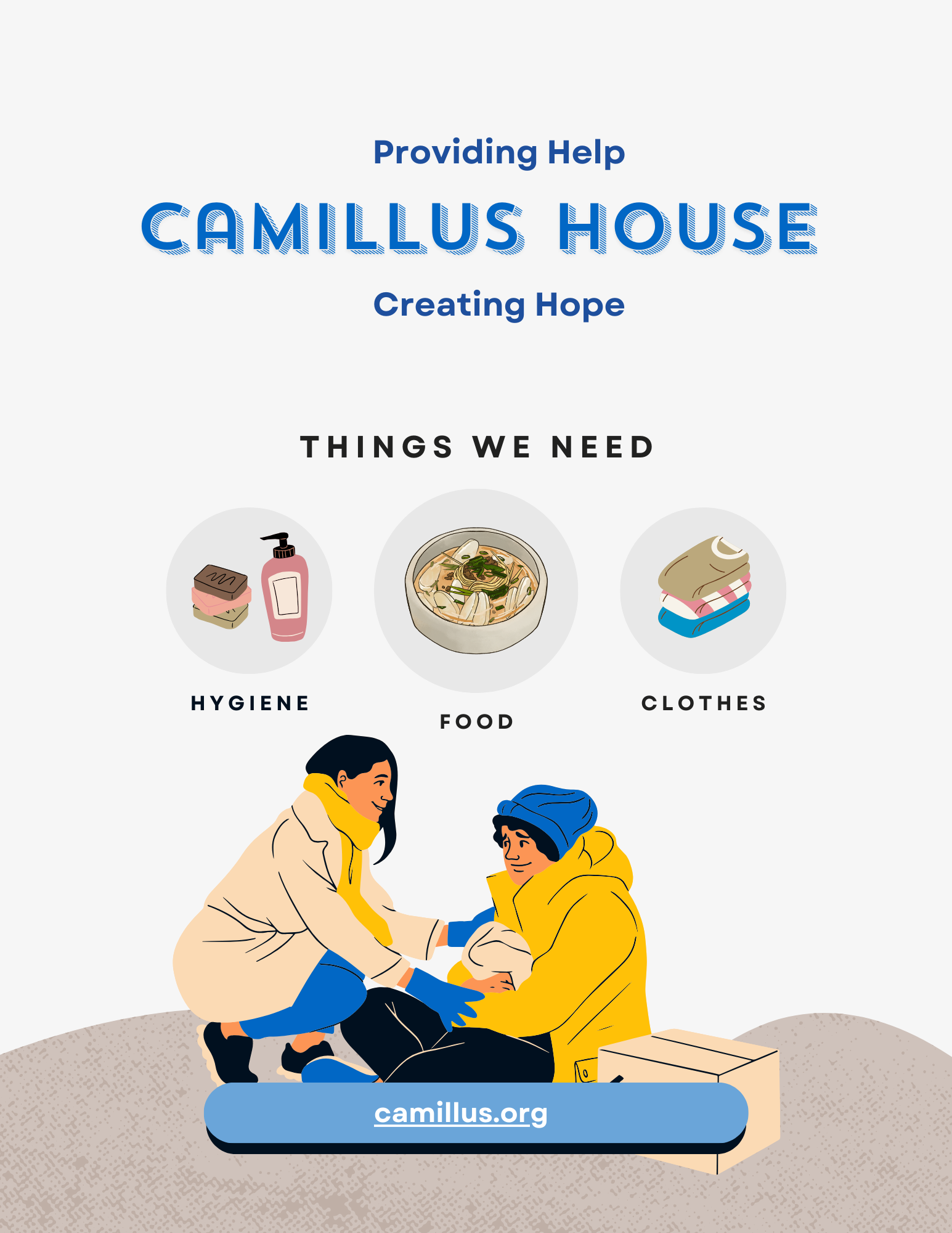
- Camillus House: For over 50 years, Camillus House has provided humanitarian services to Miami-Dade County's indigent and homeless populations. Their programs encompass emergency housing, meal services, substance abuse treatment, and job training. Volunteers can engage in activities such as meal preparation, hosting food drives, organizing special events, and teaching skills like financial literacy or cooking.
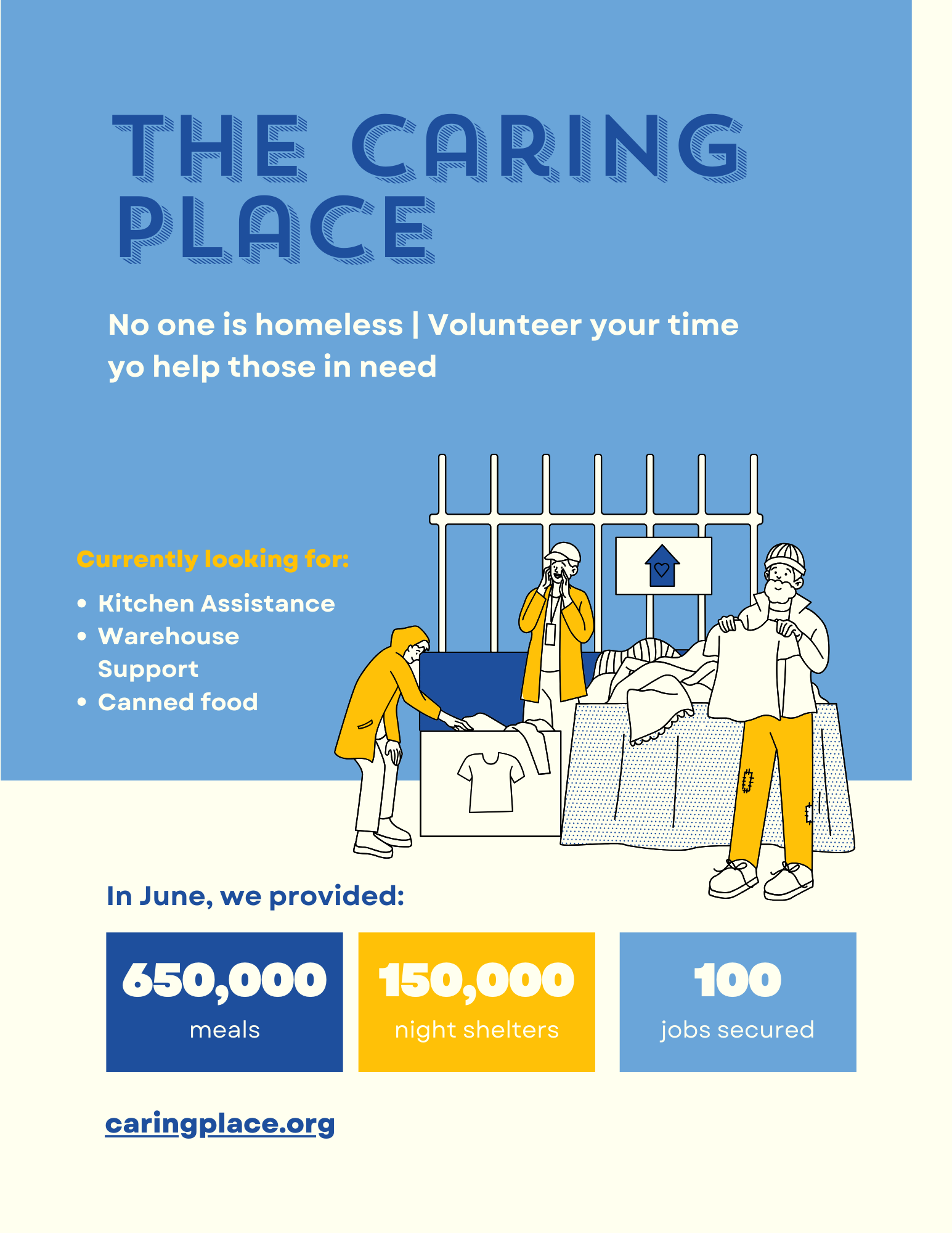
- The Caring Place: This organization offers a range of services, including emergency shelter, residential programs, and job training. Volunteer opportunities are diverse, from kitchen duties like prepping and serving meals to educational roles such as tutoring and hosting workshops. There's also a need for assistance in their donation office and warehouse, sorting and organizing contributions.
- The Breakfast Club at First United Methodist Church of Miami: Operating for over four decades, this initiative provides meals, coffee, clothing, and hygiene items to the unhoused community. They've expanded their services to include mobile showers, enhancing the dignity and well-being of their guests. Volunteers are welcomed on Sundays, Tuesdays, and Thursdays from 6:00 AM to 8:30 AM, assisting with shower registration, meal service, and distribution of essentials.

How You Can Make a Difference
Community involvement is crucial in combating homelessness. Here are ways you can contribute:
- Volunteer Your Time: Engage directly by volunteering with organizations like Camillus House, The Caring Place, or The Breakfast Club. Your efforts can range from serving meals to providing educational support.
- Donate Resources: Contribute financially or provide in-kind donations such as clothing, hygiene products, and non-perishable food items. Many organizations have wish lists detailing their most pressing needs.
- Host Fundraising Events: Organize events within your community or workplace to raise funds and awareness for homelessness initiatives.
- Advocate for Policy Changes: Support policies that address affordable housing, mental health services, and employment opportunities. Engage with local representatives to prioritize these issues.
All in all, while recent data indicates progress, sustained community engagement and support are essential to create lasting change. By volunteering, donating, and advocating, individuals can play a pivotal role in transforming the lives of those in need. By supporting these local heroes, we can continue to drive change and work toward a future where no one has to call the streets home.
"I have found that among its other benefits, giving liberates the soul of the giver" — Dr. Maya Angelou